Embark on a journey to discover the secrets of enhancing gut health naturally. From the foods we eat to the lifestyle habits we cultivate, every choice impacts the delicate balance of our gut microbiome. Unravel the importance of gut health and explore ways to optimize it for overall well-being.
As we delve deeper into the realms of gut health, we uncover the intricate connection between our digestive system and mental well-being, shedding light on the profound impact of a healthy gut on our overall health.
Importance of Gut Health
Having a healthy gut is crucial for overall well-being as it plays a significant role in various bodily functions, including digestion, immune system regulation, and nutrient absorption.
An unhealthy gut can have several negative impacts on the body, such as digestive issues like bloating, gas, diarrhea, or constipation. It can also lead to food intolerances, weight fluctuations, and decreased immune function.
Connection between Gut Health and Mental Health
The gut-brain axis is a complex communication network that links the gut and the brain, allowing them to send signals back and forth. This connection highlights the impact of gut health on mental health.
- Imbalance in gut bacteria can lead to inflammation, which is linked to mental health conditions like depression and anxiety.
- Research has shown that a healthy gut microbiome can positively influence mood and cognitive function.
- Stress can also affect gut health, leading to digestive issues and impacting overall mental well-being.
Foods for Gut Health
Eating a variety of foods that promote a healthy gut microbiome is essential for overall well-being. These foods can help improve digestion, boost immunity, and support mental health.
Fiber-Rich Foods
- Whole grains like oats, brown rice, and quinoa
- Fruits such as berries, apples, and bananas
- Vegetables like broccoli, spinach, and sweet potatoes
Including fiber-rich foods in the diet can help regulate bowel movements, prevent constipation, and promote the growth of beneficial bacteria in the gut. Fiber acts as a prebiotic, feeding the good bacteria and promoting a healthy gut environment.
Fermented Foods
- Yogurt: Contains probiotics that can help balance the gut microbiome
- Kimchi: Fermented cabbage rich in probiotics and beneficial enzymes
- Kombucha: Fermented tea that can aid in digestion and boost gut health
Fermented foods are rich in probiotics, which are beneficial bacteria that can help improve gut health by restoring the balance of bacteria in the digestive system. Including these foods in your diet can support overall gut health and enhance nutrient absorption.
Lifestyle Habits

Staying hydrated, managing stress, and engaging in regular physical activity are crucial lifestyle habits that can significantly impact gut health.
Staying Hydrated
Hydration plays a key role in maintaining a healthy gut. Water helps in the digestion and absorption of nutrients, as well as in the proper elimination of waste products. Dehydration can lead to constipation and hinder the functioning of the digestive system
Stress Management Techniques
Chronic stress can negatively affect gut health by disrupting the balance of gut bacteria and increasing inflammation. Practicing stress management techniques such as mindfulness, meditation, deep breathing exercises, and yoga can help reduce stress levels and promote a healthier gut.
Regular Physical Activity
Engaging in regular physical activity not only benefits overall health but also contributes to a healthy gut. Exercise helps stimulate digestion, reduce bloating, and promote the growth of beneficial gut bacteria. Aim for at least 30 minutes of moderate exercise most days of the week to support gut health.
Gut-Healing Supplements
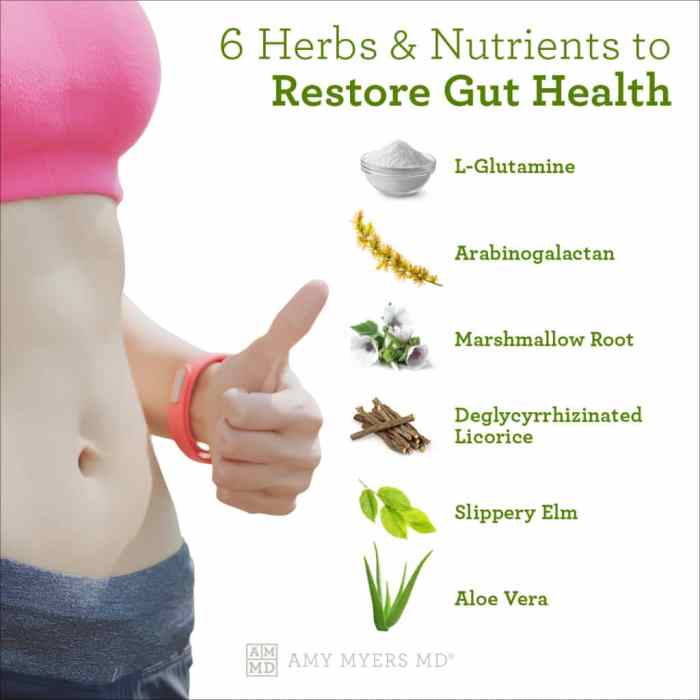
When it comes to supporting gut health, incorporating supplements into your routine can be beneficial. These supplements can help in maintaining a healthy gut microbiome and overall digestive function.
Probiotics
Probiotics are live bacteria and yeasts that are good for your digestive system. They help maintain a healthy balance of gut bacteria and aid in digestion. When choosing a probiotic supplement, look for one that contains a variety of bacterial strains, including Lactobacillus and Bifidobacterium.
Prebiotics
Prebiotics are non-digestible fibers that serve as food for probiotics. They help the good bacteria in your gut grow and thrive. Including prebiotic-rich foods like garlic, onions, bananas, and asparagus in your diet can support a healthy gut. Additionally, you can opt for prebiotic supplements to further enhance gut health.
Choosing High-Quality Supplements
When selecting supplements for gut health, it's essential to opt for high-quality products that are backed by research and have a good reputation. Look for supplements that are third-party tested, free from unnecessary additives, and contain the specific strains or types of bacteria that support gut health.
Final Thoughts
In conclusion, prioritizing gut health through mindful food choices, lifestyle habits, and quality supplements can pave the way for a healthier and happier life. By nurturing our gut, we nurture our entire being, ensuring a harmonious balance within. Take the first step towards a vibrant gut health journey today.
Frequently Asked Questions
Can gut health affect mental well-being?
Absolutely. The gut-brain connection is strong, and an unhealthy gut can manifest in mental health issues like anxiety and depression.
What foods are beneficial for gut health?
Foods rich in fiber, such as fruits, vegetables, and whole grains, as well as fermented foods like yogurt and kimchi, can promote a healthy gut microbiome.
How does hydration impact gut health?
Staying hydrated is crucial for good gut health as it helps in digestion and nutrient absorption.
Are probiotics necessary for maintaining a healthy gut?
Probiotics can be beneficial, but they are not essential for everyone. Eating a balanced diet rich in fiber and fermented foods can also support gut health.