Smartwatch features for tracking your health open a world of possibilities, revolutionizing the way we monitor our well-being. From heart rate monitoring to sleep tracking, these devices offer a comprehensive approach to health management, empowering users to take charge of their fitness goals with precision and ease.
Let's delve into the realm of smartwatches and discover how they are reshaping the landscape of personal health care.
Features of Smartwatches for Health Tracking
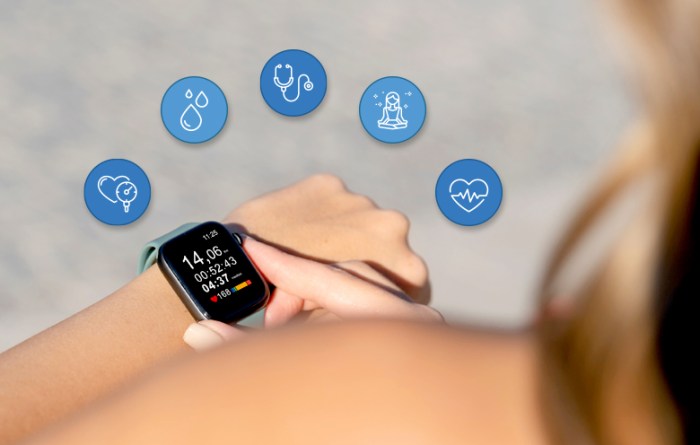
Smartwatches are equipped with a range of health tracking features that allow users to monitor various aspects of their well-being in real-time. These features provide valuable insights into one's health and fitness levels, helping users make informed decisions to improve their overall wellness.
Heart Rate Monitoring
- Heart rate monitoring is a common feature in smartwatches that tracks your heart rate continuously throughout the day.
- Using optical sensors, smartwatches measure the blood flow through your wrist to determine your heart rate.
- This feature is beneficial for tracking your resting heart rate, workout intensity, and overall cardiovascular health.
Sleep Tracking
- Smartwatches with sleep tracking capabilities monitor your sleep patterns and quality each night.
- By analyzing movement and heart rate data, these devices can provide insights into your sleep stages (light, deep, REM) and overall sleep duration.
- Improving sleep quality can have a positive impact on your overall health and well-being.
Activity Tracking
- Activity tracking features on smartwatches monitor your daily steps, distance traveled, calories burned, and active minutes.
- These metrics help you stay active throughout the day and reach your fitness goals.
- Some smartwatches also offer reminders to move if you've been inactive for too long.
Blood Oxygen Monitoring
- Advanced smartwatches are equipped with sensors to measure blood oxygen saturation levels.
- Monitoring blood oxygen levels can help detect respiratory issues and ensure proper oxygen flow in the body.
- This feature is particularly useful for athletes and individuals with respiratory conditions.
Heart Rate Monitoring
Monitoring your heart rate is a crucial aspect of tracking your health and fitness levels. It provides valuable insights into your cardiovascular health and helps you make informed decisions about your overall well-being.
Importance of Heart Rate Monitoring
Tracking your heart rate allows you to understand how your heart responds to different activities, stress levels, and overall fitness. It can help you gauge your fitness progress, optimize your workouts, and detect any potential health issues early on.
How Smartwatches Track Heart Rate
- Smartwatches use optical heart rate sensors that emit light onto the skin and measure the amount of light that is absorbed or reflected by the blood vessels. This data is then processed to calculate your heart rate in real-time.
- Some advanced smartwatches also incorporate electrocardiogram (ECG) technology to provide more accurate heart rate measurements and detect irregular heart rhythms.
Utilizing Heart Rate Data for Health and Fitness
- By monitoring your heart rate during exercise, you can ensure you are working out at the right intensity to achieve your fitness goals without overexerting yourself.
- Tracking your resting heart rate over time can help you assess your cardiovascular fitness and identify any changes that may indicate underlying health issues.
- Smartwatches can also provide insights into your stress levels by analyzing your heart rate variability, helping you manage stress and improve your overall well-being.
Sleep Tracking
Sleep tracking is a crucial feature offered by smartwatches that can significantly impact overall health and well-being. By monitoring your sleep patterns and quality, you can gain valuable insights into your nightly rest and make informed decisions to improve your sleep habits.
Significance of Sleep Tracking
- Tracking your sleep can help identify any issues or disruptions in your sleep patterns, such as insomnia or sleep apnea, that may be affecting your overall health.
- Quality sleep is essential for physical and mental health, and monitoring your sleep can provide data to help you optimize your sleep environment and habits.
- Understanding your sleep patterns can also lead to better productivity, mood, and cognitive function throughout the day.
How Smartwatches Track Sleep
- Smartwatches use sensors to monitor movement, heart rate, and even oxygen levels to determine different sleep stages such as light sleep, deep sleep, and REM sleep.
- Based on this data, smartwatches provide insights into your sleep duration, quality, and any interruptions during the night.
- Some smartwatches also offer features like sleep scores or recommendations to help you improve your sleep hygiene.
Tips for Using Sleep Tracking Data
- Consistently track your sleep patterns to identify trends and make adjustments to your bedtime routine or sleep environment.
- Use the data to establish a regular sleep schedule and aim for the recommended 7-9 hours of sleep per night.
- Pay attention to factors like caffeine intake, screen time before bed, and stress levels, as these can impact your sleep quality.
- Experiment with different strategies such as meditation, relaxation techniques, or adjusting your bedroom temperature to improve your sleep habits.
Activity and Exercise Tracking
Smartwatches are equipped with sensors that allow users to track their physical activities and exercises throughout the day. This feature provides valuable insights into one's fitness levels and overall health.
Benefits of Activity Tracking
- Smartwatches can monitor the number of steps taken, distance traveled, and calories burned, giving users a comprehensive overview of their daily activity levels.
- Tracking activities can help users set goals and stay motivated to lead a more active lifestyle.
- By analyzing activity data over time, users can identify patterns and make adjustments to their routines for better health outcomes.
Examples of Motivation Through Activity Tracking
- Setting daily step goals and receiving notifications when reaching milestones can encourage users to take more steps throughout the day.
- Competing with friends or participating in challenges through smartwatch apps can create a sense of community and accountability, motivating users to stay active.
- Seeing visual representations of activity data, such as graphs and charts, can provide a clear picture of progress and encourage users to continue their fitness journey.
Stress Monitoring
Stress monitoring is a vital feature integrated into many smartwatches to help users track their stress levels and take necessary steps to manage it effectively.
How Smartwatches Incorporate Stress Monitoring Features
Smartwatches utilize various sensors like heart rate monitors and accelerometers to detect signs of stress in users. These sensors can measure factors such as heart rate variability, skin temperature, and even physical activity levels to provide insights into the user's stress levels.
Impact of Stress on Health and Importance of Managing It
- Chronic stress can have detrimental effects on both physical and mental health, leading to issues like high blood pressure, weakened immune system, and anxiety.
- Managing stress is crucial for overall well-being and can significantly improve one's quality of life.
- By tracking stress levels with a smartwatch, users can become more aware of their stress triggers and take proactive steps to reduce stress through relaxation techniques, mindfulness practices, or seeking professional help.
Strategies for Utilizing Stress Monitoring Data to Reduce Stress Levels
- Set personalized stress level goals based on your daily activities and routines.
- Use guided breathing exercises or meditation apps available on smartwatches to help calm your mind and body.
- Identify patterns in your stress levels throughout the day and make adjustments to your schedule or lifestyle to minimize stressors.
- Share your stress monitoring data with healthcare professionals or therapists to receive tailored recommendations for stress management.
Epilogue
In conclusion, smartwatch features for tracking your health not only provide valuable insights into your daily wellness journey but also serve as constant companions in your pursuit of a healthier lifestyle. With advancements in technology, these devices continue to evolve, offering more sophisticated tools to support your well-being.
Embrace the future of health monitoring with smartwatches and unlock a new realm of possibilities for a healthier you.
FAQ Overview
How accurate are smartwatches in monitoring heart rate?
Smartwatches use advanced sensors to provide real-time heart rate data, offering accuracy comparable to medical-grade devices.
Can smartwatches track sleep stages like REM and deep sleep?
While some smartwatches can differentiate between light and deep sleep, tracking specific stages like REM may require more specialized devices.
Do smartwatches measure stress levels accurately?
Smartwatches utilize a combination of heart rate variability and other metrics to estimate stress levels, providing a general indication rather than precise measurements.