Exploring the connection between indoor air quality and respiratory health, this introduction sets the stage for a comprehensive discussion on how the air we breathe at home can significantly influence our well-being.
The following paragraph will delve into the various aspects of indoor air quality and its effects on respiratory health.
Importance of Indoor Air Quality
Indoor air quality plays a crucial role in maintaining good respiratory health. The air we breathe inside our homes can have a significant impact on our overall well-being.
Common Indoor Air Pollutants
There are several common indoor air pollutants that can negatively affect respiratory health:
- Dust and Dust Mites: These tiny particles can trigger allergies and asthma symptoms.
- Pet Dander: Shed skin cells from pets can also worsen respiratory conditions.
- Mold and Mildew: These fungi can release spores that irritate the respiratory system.
- Tobacco Smoke: Secondhand smoke contains harmful chemicals that can cause respiratory issues.
Impact of Poor Indoor Air Quality
Poor indoor air quality can lead to a range of health problems beyond respiratory issues:
- Increased risk of respiratory infections
- Exacerbation of existing respiratory conditions like asthma and allergies
- Headaches, fatigue, and dizziness
- Long-term exposure may even lead to chronic respiratory diseases
Sources of Indoor Air Pollution
Indoor air pollution can come from various sources within our homes, affecting the air quality we breathe daily. Understanding these sources is crucial to improving respiratory health.
Tobacco Smoke
- Tobacco smoke contains harmful chemicals such as formaldehyde, benzene, and carbon monoxide.
- Secondhand smoke can linger in the air for hours, leading to respiratory issues and exacerbating conditions like asthma and allergies.
Household Cleaners
- Many household cleaners contain volatile organic compounds (VOCs) that can release toxic fumes into the air.
- Continuous exposure to these chemicals can irritate the respiratory system, causing symptoms like coughing, wheezing, and shortness of breath.
Mold
- Mold thrives in damp and humid environments, releasing spores into the air that can trigger respiratory problems.
- Prolonged exposure to mold spores can lead to respiratory infections, allergic reactions, and asthma attacks.
Health Effects of Poor Air Quality
Indoor air quality plays a crucial role in determining the overall health of individuals, particularly when it comes to respiratory health. Poor air quality can have detrimental effects on our respiratory system, exacerbating conditions such as asthma and allergies.
Short-term Health Effects
- Increased coughing and wheezing
- Shortness of breath
- Irritation of the eyes, nose, and throat
Long-term Health Effects
- Development of chronic respiratory diseases
- Reduced lung function over time
- Aggravation of existing respiratory conditions
Correlation with Respiratory Illnesses
Poor indoor air quality has been linked to the increased prevalence of respiratory illnesses. Exposure to pollutants such as mold, dust mites, pet dander, and volatile organic compounds (VOCs) can trigger asthma attacks and worsen allergy symptoms. Long-term exposure to these indoor air pollutants can lead to the development of respiratory conditions and contribute to the progression of existing ailments.
Improving Indoor Air Quality
Maintaining good indoor air quality is essential for respiratory health. By implementing strategies to reduce pollutants and allergens in the air, you can create a healthier living environment for you and your family.
Proper Ventilation
Proper ventilation is crucial for improving indoor air quality. Opening windows and using exhaust fans can help to circulate fresh air and remove indoor pollutants, such as volatile organic compounds (VOCs) and allergens.
Air Purifiers
Air purifiers are effective in reducing airborne pollutants, such as dust, pet dander, and mold spores. HEPA filters are highly recommended for capturing small particles and improving overall air quality in your home.
Reducing Chemicals
Reducing the use of chemicals in your home can significantly improve indoor air quality. Opt for natural cleaning products and avoid using harsh chemicals that can release toxic fumes into the air.
Benefits of Maintaining Good Indoor Air Quality
Maintaining good indoor air quality can have a positive impact on your respiratory health. By reducing exposure to indoor pollutants, you can lower the risk of respiratory infections, asthma attacks, and other respiratory issues.
Comparison of Air Purification Methods
- HEPA Filters:Highly effective in capturing small particles and allergens, making them ideal for improving indoor air quality.
- Ionic Air Purifiers:Emit negative ions to attract and remove airborne particles, but may produce ozone as a byproduct, which can be harmful in high concentrations.
- UV-C Light Purifiers:Use ultraviolet light to kill bacteria and viruses in the air, but may not be as effective in capturing particles as HEPA filters.
Summary
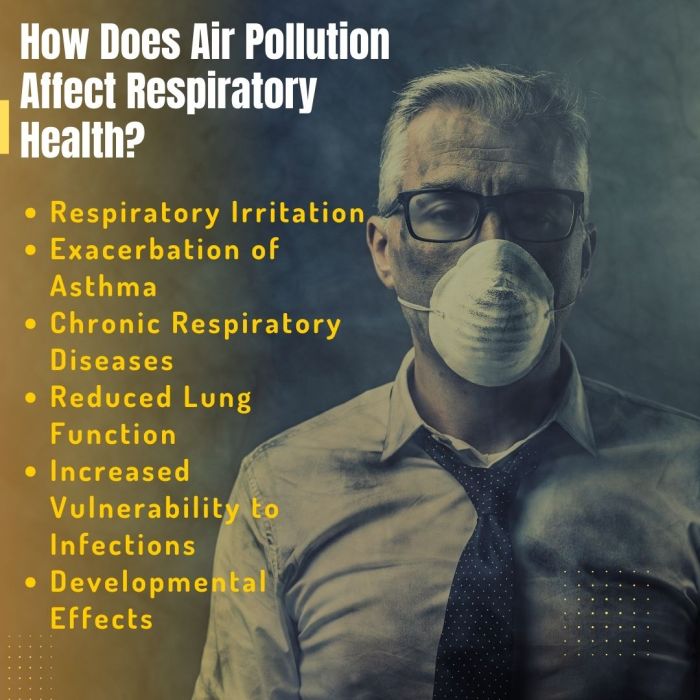
In conclusion, understanding the importance of maintaining good indoor air quality is essential for promoting healthy respiratory function and overall quality of life.
Detailed FAQs
How does poor indoor air quality affect respiratory conditions like asthma?
Poor indoor air quality can exacerbate asthma symptoms, leading to increased respiratory distress and potential asthma attacks.
What are some common indoor air pollutants that can impact respiratory health?
Common indoor air pollutants include tobacco smoke, household cleaners, mold, and volatile organic compounds (VOCs).
What are the benefits of maintaining good indoor air quality for respiratory health?
Maintaining good indoor air quality can help reduce the risk of respiratory illnesses, improve breathing, and enhance overall well-being.