As Early warning signs of poor cardiovascular health take the spotlight, readers are invited into a realm of knowledge that promises an engaging and informative journey. This article delves into the common symptoms, risk factors, diagnostic tests, and prevention strategies surrounding cardiovascular health, offering a comprehensive guide for readers seeking to safeguard their heart health.
Exploring the nuances of cardiovascular health and its impact on individuals, this piece aims to equip readers with valuable insights and actionable steps to protect their well-being.
Early warning signs of poor cardiovascular health
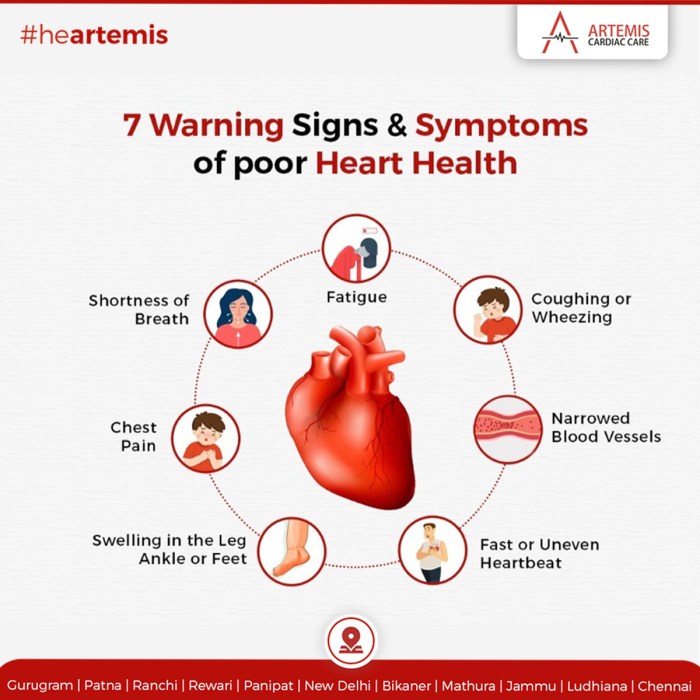
Recognizing the early warning signs of poor cardiovascular health is crucial for prevention and timely intervention. These signs can vary in how they manifest and impact men and women differently. Lifestyle factors also play a significant role in the development of these warning signs.
Common symptoms associated with poor cardiovascular health
- Chest pain or discomfort
- Shortness of breath
- Fatigue or weakness
- Dizziness or lightheadedness
- Swelling in the legs, ankles, or feet
Manifestation of symptoms in men and women
While men and women may experience similar symptoms of poor cardiovascular health, they can present differently:
| Men | Women |
|---|---|
| Chest pain or discomfort | Shortness of breath |
| Dizziness or lightheadedness | Fatigue or weakness |
Lifestyle factors contributing to warning signs
- Poor diet high in saturated fats and cholesterol
- Lack of physical activity
- Smoking and tobacco use
- Excessive alcohol consumption
- Untreated stress and high blood pressure
Risk factors for poor cardiovascular health
Genetics and lifestyle choices can significantly impact an individual's risk of developing cardiovascular issues. Let's explore the key risk factors that contribute to poor cardiovascular health.
Genetics and Cardiovascular Risk
Genetics can play a crucial role in increasing the risk of cardiovascular problems. Individuals with a family history of heart disease or related conditions are more likely to develop similar issues themselves. Genetic factors can influence cholesterol levels, blood pressure, and overall heart health, making some individuals more predisposed to cardiovascular issues than others.
Modifiable vs. Non-Modifiable Risk Factors
Modifiable risk factors are those that can be changed or controlled through lifestyle modifications. These include factors such as diet, physical activity, smoking, and stress levels. By making healthy choices and adopting positive habits, individuals can reduce their risk of cardiovascular problems significantly.On the other hand, non-modifiable risk factors are factors that cannot be changed, such as age, gender, and family history.
While these factors may increase the risk of cardiovascular issues, focusing on modifiable risk factors can help mitigate the overall risk and improve heart health.
Diagnostic tests for assessing cardiovascular health
Regular diagnostic tests play a crucial role in evaluating cardiovascular health and detecting potential issues early on. These tests help healthcare providers in assessing the overall function of the heart and circulatory system, allowing for timely intervention and management of cardiovascular conditions
Electrocardiogram (ECG or EKG)
An ECG is a common test used to measure the electrical activity of the heart. It helps in identifying abnormal heart rhythms, detecting signs of heart disease, and evaluating the effectiveness of treatments. During an ECG, electrodes are placed on the skin to record the heart's electrical impulses.
Echocardiogram
An echocardiogram uses sound waves to create a moving picture of the heart. This test helps in assessing the size, shape, and function of the heart muscle, valves, and chambers. It can detect abnormalities such as heart defects, fluid around the heart, or blood clots.
Cardiac Stress Test
A cardiac stress test involves monitoring the heart's activity while the patient exercises on a treadmill or stationary bike. This test helps in evaluating how well the heart responds to physical activity, detecting blockages in the arteries, and assessing overall cardiac function under stress.
Cardiac CT Scan
A cardiac CT scan uses X-rays to create detailed images of the heart and blood vessels. It can detect plaque buildup in the arteries, assess the presence of coronary artery disease, and identify abnormalities in the heart's structure. This test provides valuable information for diagnosing and managing cardiovascular conditions.
Prevention strategies for maintaining cardiovascular health
Maintaining cardiovascular health is crucial in preventing heart-related issues. By making certain lifestyle changes, focusing on a healthy diet, regular exercise, and stress management, you can significantly reduce the risk of cardiovascular problems.
Healthy Diet and Regular Exercise
Eating a balanced diet rich in fruits, vegetables, whole grains, and lean proteins can help lower cholesterol levels and blood pressure. Incorporating regular physical activity into your routine, such as cardio exercises, strength training, or even just brisk walking, can improve heart health and overall well-being.
Stress Management
Chronic stress can contribute to heart disease, so it's important to find healthy ways to manage stress. Practices like meditation, deep breathing exercises, yoga, or spending time in nature can help reduce stress levels and lower the risk of cardiovascular issues.
Final Summary
In conclusion, understanding the early warning signs of poor cardiovascular health is crucial in promoting overall well-being and longevity. By recognizing these red flags, individuals can take proactive measures to mitigate risks and prioritize heart health. Let this knowledge serve as a compass guiding you towards a healthier future.
Top FAQs
What are some common symptoms of poor cardiovascular health?
Common symptoms include chest pain, shortness of breath, palpitations, and fatigue.
How do symptoms of poor cardiovascular health differ between men and women?
Symptoms like chest pain may be more pronounced in men, while women may experience atypical symptoms like nausea and back pain.
What lifestyle factors can contribute to warning signs of poor cardiovascular health?
Poor diet, lack of exercise, smoking, excessive alcohol consumption, and high stress levels can all contribute to cardiovascular issues.