As we look ahead to 2025, the landscape of healthcare is set to be transformed by cutting-edge technological advancements. From Artificial Intelligence to Wearable Technology, the Top 10 health tech innovations to watch in 2025 promise to revolutionize patient care and medical practices.
Let's delve into the exciting world of healthcare technology and explore what the future holds.
Overview of Health Tech Innovations
Health tech innovations refer to the advancements in technology that are specifically designed to improve healthcare delivery, patient outcomes, and overall wellness. These innovations encompass a wide range of tools, devices, software, and systems that leverage cutting-edge technology to enhance the quality and efficiency of healthcare services.
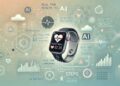
Health tech innovations have revolutionized the healthcare industry by streamlining processes, increasing access to care, enabling remote monitoring, enhancing diagnostic accuracy, and empowering patients to take control of their health. For example, wearable devices like smartwatches and fitness trackers can monitor vital signs, track physical activity, and provide real-time feedback to individuals, promoting a proactive approach to health management.
It is crucial for healthcare professionals, organizations, and individuals to stay up-to-date with the latest innovations in healthcare to ensure that they are providing the best possible care, leveraging the most effective tools, and staying ahead of emerging trends. By embracing health tech innovations, stakeholders can improve patient outcomes, optimize healthcare delivery, and drive positive change in the industry.
Artificial Intelligence in Healthcare
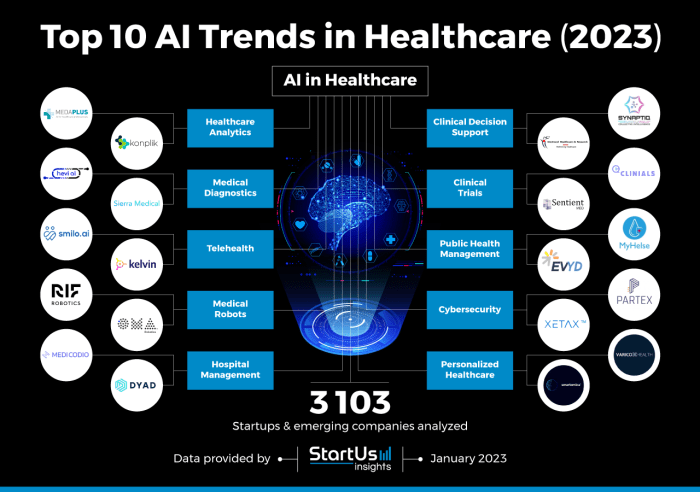
Artificial intelligence (AI) is revolutionizing the healthcare industry by providing innovative solutions to improve patient care, optimize medical research, and streamline healthcare processes. AI algorithms can analyze complex medical data faster and more accurately than humans, leading to improved diagnosis, treatment, and overall healthcare outcomes.
Role of AI in Healthcare
AI plays a crucial role in healthcare by leveraging machine learning algorithms to interpret medical images, predict patient outcomes, personalize treatment plans, and automate administrative tasks. By analyzing vast amounts of data, AI can identify patterns and trends that assist healthcare professionals in making informed decisions and providing better care to patients.
Transforming Patient Care and Medical Research
AI is transforming patient care by enabling early detection of diseases, predicting potential health risks, and recommending personalized treatment options. Additionally, AI-powered devices and applications help patients monitor their health status, adhere to treatment plans, and access healthcare services remotely.
In medical research, AI accelerates drug discovery, genetic analysis, and clinical trials, leading to the development of innovative therapies and precision medicine approaches.
Potential Benefits and Challenges
One of the key benefits of integrating AI in healthcare is the potential to improve diagnostic accuracy, reduce medical errors, and enhance patient outcomes. AI also enhances operational efficiency, reduces healthcare costs, and improves access to healthcare services, especially in remote areas.
However, challenges such as data privacy concerns, regulatory compliance, ethical considerations, and the need for healthcare professionals to adapt to AI technologies remain significant barriers to widespread adoption. Overcoming these challenges requires collaboration between technology developers, healthcare providers, policymakers, and patients to ensure the responsible and ethical use of AI in healthcare.
Telemedicine and Virtual Health
Telemedicine and virtual health technologies have revolutionized the way healthcare services are delivered, allowing patients to access medical care remotely through digital communication platforms. These technologies have become increasingly popular due to their convenience and efficiency in providing healthcare services.
Definition of Telemedicine and Virtual Health
Telemedicine refers to the remote diagnosis and treatment of patients using telecommunications technology, such as video calls and messaging apps. Virtual health, on the other hand, encompasses a broader range of digital healthcare services, including remote monitoring, teleconsultations, and telehealth platforms.
Comparison with Traditional Healthcare Services
When compared to traditional healthcare services, telemedicine offers several advantages. Patients can consult with healthcare providers from the comfort of their homes, eliminating the need for travel and reducing waiting times. Additionally, telemedicine allows for quicker access to specialists and medical advice, improving overall efficiency in healthcare delivery.
Impact on Accessibility and Quality of Care
Virtual health has significantly improved accessibility to healthcare services, especially for individuals living in remote or underserved areas. Patients can receive timely medical attention without having to travel long distances, leading to better health outcomes. Moreover, telemedicine has enhanced the quality of care by enabling healthcare providers to collaborate more effectively, share information in real-time, and coordinate patient treatment plans seamlessly.
Wearable Technology and Health Monitoring
Wearable health technology devices have revolutionized the way individuals track and manage their health. These devices are designed to be worn directly on the body, such as smartwatches, fitness trackers, and even smart clothing embedded with sensors.
How Wearables are Used for Health Monitoring and Disease Management
- Monitoring Vital Signs: Wearables can track essential health metrics like heart rate, blood pressure, and oxygen levels in real-time, providing valuable data for early detection of potential health issues.
- Activity Tracking: These devices can monitor daily activities, such as steps taken, calories burned, and sleep patterns, helping individuals stay active and maintain a healthy lifestyle.
- Chronic Disease Management: Wearables play a crucial role in managing chronic conditions like diabetes, asthma, and hypertension by providing continuous monitoring and alerts for any deviations from normal levels.
- Medication Reminders: Some wearables can also remind users to take their medications on time, ensuring adherence to treatment plans and improving overall health outcomes.
Implications of Wearable Technology on Preventive Healthcare
- Early Intervention: Wearables enable early detection of health issues, allowing individuals to seek medical attention promptly and prevent the progression of diseases.
- Personalized Health Insights: By continuously monitoring health data, wearables can provide personalized insights and recommendations for improving overall wellness based on individual needs.
- Empowerment and Engagement: Wearable technology empowers individuals to take control of their health by actively monitoring and managing their well-being, fostering a sense of engagement and responsibility towards personal health goals.
Robotics and Automation in Healthcare
Robotics and automation have revolutionized the healthcare industry, providing innovative solutions to enhance patient care and improve surgical procedures. The integration of robotics in healthcare has opened up new possibilities for more precise and efficient medical interventions.
Examples of Robotics and Automation Applications in Healthcare
- Robotic surgery systems like the da Vinci Surgical System, which allows for minimally invasive procedures with enhanced precision and control.
- Automated medication dispensing systems to reduce human errors in medication administration.
- Robot-assisted therapy for patients with mobility issues to aid rehabilitation and improve outcomes.
How Robotics Enhance Surgical Procedures and Patient Care
- Increased precision: Robotics enable surgeons to perform complex procedures with greater accuracy, reducing the risk of complications.
- Faster recovery: Minimally invasive robotic surgeries often result in shorter recovery times and less post-operative pain for patients.
- Remote surgery: Teleoperated robotic systems allow surgeons to perform procedures on patients in remote locations, expanding access to specialized care.
Potential Future Advancements in Robotics for Healthcare
- AI integration: Advancements in artificial intelligence will enhance the capabilities of robotic systems, allowing for more autonomous decision-making during procedures.
- Nanorobotics: The development of nanoscale robots could revolutionize targeted drug delivery and precision medicine.
- Robotic companions: Robots could play a greater role in patient care and support, providing companionship and assistance in healthcare settings.
Personalized Medicine and Genomics
Personalized medicine involves tailoring medical treatment to individual characteristics of each patient, taking into account their genetic makeup, lifestyle, environment, and other factors. Genomics, on the other hand, refers to the study of an individual's genes and their interaction with each other and the environment.
How Genomics Tailors Medical Treatment
Genomics plays a crucial role in personalized medicine by analyzing an individual's genetic information to predict their risk of certain diseases, determine the most effective medications, and identify potential adverse reactions to treatments. By understanding a patient's genetic profile, healthcare providers can create personalized treatment plans that are more targeted and precise.
- Genetic Testing: Genetic tests can reveal information about a person's predisposition to certain diseases, allowing for early intervention or preventive measures.
- Pharmacogenomics: This field focuses on how genetic variations impact an individual's response to medications, leading to the customization of drug therapy for better outcomes.
- Precision Oncology: Genomic profiling of tumors helps oncologists identify specific mutations driving cancer growth, enabling the selection of targeted therapies tailored to the patient's unique genetic alterations.
Ethical Considerations
Personalized medicine and genomics raise important ethical considerations regarding privacy, consent, data security, and equity in healthcare access. There are concerns about the potential misuse of genetic information, discrimination based on genetic profiles, and the implications of sharing sensitive data with third parties.
It is essential to establish robust guidelines and regulations to protect patient privacy and ensure the responsible use of genetic data in healthcare
.
Internet of Medical Things (IoMT)
The Internet of Medical Things (IoMT) refers to a network of interconnected medical devices and applications that collect and share data with healthcare systems through the internet. These devices are revolutionizing the healthcare industry by enabling remote monitoring, real-time data analytics, and improved patient outcomes.
Applications in Healthcare
- Remote Patient Monitoring: IoMT devices allow healthcare providers to monitor patients' vital signs and health metrics remotely, reducing the need for frequent in-person visits.
- Smart Medical Devices: Connected medical devices such as insulin pumps, pacemakers, and wearable ECG monitors can transmit data to healthcare professionals in real-time, enabling proactive intervention.
- Asset Tracking: IoMT helps hospitals and clinics track medical equipment, medication, and supplies efficiently, reducing wastage and improving inventory management.
Improving Patient Monitoring and Healthcare Delivery
- Enhanced Data Accuracy: IoMT devices provide accurate and real-time data, enabling healthcare professionals to make informed decisions quickly.
- Efficient Communication: IoMT facilitates seamless communication between patients, caregivers, and healthcare providers, leading to better care coordination and treatment outcomes.
- Personalized Care: By continuously monitoring patients' health data, IoMT enables personalized treatment plans tailored to individual needs and conditions.
Data Security and Privacy Challenges
- Security Risks: The interconnected nature of IoMT devices makes them vulnerable to cyber-attacks, posing a threat to patient data security and confidentiality.
- Privacy Concerns: The extensive collection of sensitive health information by IoMT devices raises concerns about data privacy and the potential misuse of personal data.
- Regulatory Compliance: Healthcare organizations must comply with strict regulations such as HIPAA to ensure the secure handling of patient data collected through IoMT devices.
Augmented Reality and Virtual Reality in Healthcare
Augmented Reality (AR) and Virtual Reality (VR) are emerging technologies that have the potential to revolutionize healthcare by offering innovative solutions for medical training, patient education, and enhancing healthcare outcomes.
Uses of Augmented Reality and Virtual Reality in Healthcare
AR and VR technologies are being increasingly used in the medical field to provide immersive and interactive experiences for both healthcare professionals and patients. These technologies allow for realistic simulations of medical procedures, anatomy visualization, and virtual patient consultations.
- AR and VR in Medical Training: Medical students and healthcare professionals can benefit from AR and VR simulations for hands-on training in surgical procedures, medical diagnosis, and patient care. These technologies offer a safe and controlled environment to practice and refine their skills.
- AR and VR in Patient Education: Patients can use AR and VR applications to better understand their medical conditions, treatment options, and surgical procedures. These technologies can improve patient engagement, compliance, and overall health literacy.
Potential Impact of AR and VR on Healthcare Outcomes
The integration of AR and VR in healthcare has the potential to significantly impact patient care, treatment outcomes, and overall healthcare efficiency. These technologies can enhance healthcare delivery by:
- Improving Surgical Precision: AR and VR can assist surgeons in planning complex surgeries, visualizing patient anatomy in real-time, and enhancing surgical precision, leading to better patient outcomes and reduced complications.
- Enhancing Medical Education: AR and VR can transform medical education by providing immersive learning experiences, enabling students to practice in realistic scenarios, and improving knowledge retention and clinical skills.
- Increasing Patient Engagement: By using AR and VR tools for patient education and treatment visualization, healthcare providers can increase patient engagement, understanding, and adherence to treatment plans, ultimately improving health outcomes.
Blockchain Technology in Healthcare
Blockchain technology has gained significant attention in various industries for its ability to securely store and manage data in a decentralized manner. In healthcare, blockchain holds immense potential to revolutionize the way patient data is stored, shared, and accessed.
Secure Patient Data Management
- Blockchain technology enables healthcare providers to securely store patient data in a tamper-proof and transparent manner.
- By using cryptographic algorithms and decentralized storage, patient records can be safeguarded against unauthorized access or modifications.
- This ensures the integrity and privacy of sensitive medical information, enhancing trust between patients and healthcare organizations.
Streamlining Healthcare Operations
- Blockchain can facilitate seamless communication and data exchange among different healthcare stakeholders, such as providers, insurers, and patients.
- Smart contracts on the blockchain can automate processes like insurance claims processing, appointment scheduling, and medication tracking.
- By eliminating intermediaries and reducing administrative overhead, blockchain technology can optimize healthcare workflows and improve overall efficiency.
Challenges and Opportunities
- One of the main challenges of implementing blockchain in healthcare is the interoperability of existing systems and data standards.
- Ensuring regulatory compliance, data governance, and scalability are also key hurdles that need to be addressed for widespread adoption of blockchain technology.
- However, the opportunities presented by blockchain in healthcare, such as enhanced data security, increased transparency, and improved data sharing, outweigh the challenges and hold the promise of transforming the industry.
3D Printing in Medicine
D printing in medicine is revolutionizing the healthcare industry by offering innovative solutions for personalized treatment and medical device manufacturing. This technology allows for the creation of complex structures and customized designs that were previously impossible with traditional manufacturing methods.
Applications of 3D Printing in Healthcare
- 3D printing is used to produce patient-specific anatomical models for surgical planning, training, and education.
- It enables the fabrication of customized implants, prosthetics, and medical devices tailored to individual patient needs.
- Researchers are exploring the use of 3D bioprinting to create tissues and organs for transplantation, potentially addressing the organ shortage crisis.
Personalized Medical Devices and Prosthetics
- 3D printing allows for the customization of medical devices and prosthetics to match the unique anatomy and requirements of each patient.
- Patients can benefit from comfortable, lightweight, and well-fitting prosthetic limbs and implants, enhancing their quality of life.
- Rapid prototyping with 3D printing accelerates the design iteration process, leading to faster development and production of medical devices.
Future Possibilities of 3D Printing for Healthcare Innovation
- Advancements in materials science and bioprinting technology may enable the creation of functional tissues and organs for transplantation.
- 3D printing could revolutionize drug delivery systems by producing personalized medication formulations based on individual patient needs.
- Integration of artificial intelligence with 3D printing may enhance the design optimization process and enable complex structures to be printed with high precision.
Ending Remarks
In conclusion, the Top 10 health tech innovations to watch in 2025 offer a glimpse into the future of healthcare, where precision medicine, AI-driven diagnostics, and virtual health solutions are poised to redefine the way we approach wellness. Stay tuned for these groundbreaking developments that are set to shape the future of healthcare as we know it.
User Queries
What are the potential benefits of integrating AI in healthcare?
AI can enhance diagnostic accuracy, personalize treatment plans, and streamline administrative tasks, leading to improved patient outcomes and operational efficiency.
How is wearable technology impacting preventive healthcare?
Wearable devices can track vital signs, monitor activity levels, and provide real-time health data, empowering individuals to take proactive steps towards maintaining their well-being.
What are the ethical considerations surrounding personalized medicine and genomics?
Issues such as data privacy, consent, and the potential for genetic discrimination need to be carefully navigated to ensure that personalized healthcare remains ethical and equitable.
How does blockchain technology contribute to securing patient data in healthcare?
Blockchain ensures data integrity, enhances transparency, and protects against unauthorized access or tampering, thereby safeguarding sensitive medical information.
What are the future possibilities of 3D printing in healthcare innovation?
3D printing holds the potential to revolutionize prosthetics, organ transplantation, and surgical procedures by enabling customized, cost-effective solutions that enhance patient outcomes and recovery.