As Top mental health apps to try in 2025 takes center stage, this opening passage beckons readers with casual formal language style into a world crafted with good knowledge, ensuring a reading experience that is both absorbing and distinctly original.
In the fast-paced world of technology and wellness, mental health apps have emerged as crucial tools for enhancing emotional well-being and promoting self-care. From personalized solutions to cutting-edge advancements, these apps offer a glimpse into the future of mental wellness.
Top mental health apps to try in 2025
Mental health apps have become increasingly important in modern society as they provide accessible support and resources for individuals dealing with various mental health challenges. These apps offer a wide range of tools and features to help users manage their mental well-being effectively.
Key Features of Effective Mental Health Apps
- Personalized Support: Effective mental health apps offer personalized support tailored to the individual needs and preferences of users.
- Therapeutic Techniques: These apps incorporate evidence-based therapeutic techniques such as cognitive behavioral therapy (CBT) to help users cope with stress, anxiety, and depression.
- Progress Tracking: Users can track their mood, emotions, and progress over time, allowing them to identify patterns and trends in their mental health.
- Community Support: Some apps provide a sense of community by connecting users with others facing similar challenges, fostering a supportive environment for sharing experiences and advice.
Benefits of Using Mental Health Apps
Using mental health apps can have a positive impact on overall well-being by:
- Increasing Accessibility: Apps make mental health resources more accessible to individuals who may not have access to traditional therapy or support services.
- Promoting Self-Care: Users can engage in self-care practices such as mindfulness exercises, breathing techniques, and relaxation exercises to improve their mental health.
- Empowering Users: These apps empower users to take control of their mental health by providing tools and resources to actively manage their well-being.
- Reducing Stigma: By normalizing conversations around mental health and providing a safe space for users to seek support, apps help reduce the stigma associated with mental illness.
Popular mental health apps in 2025
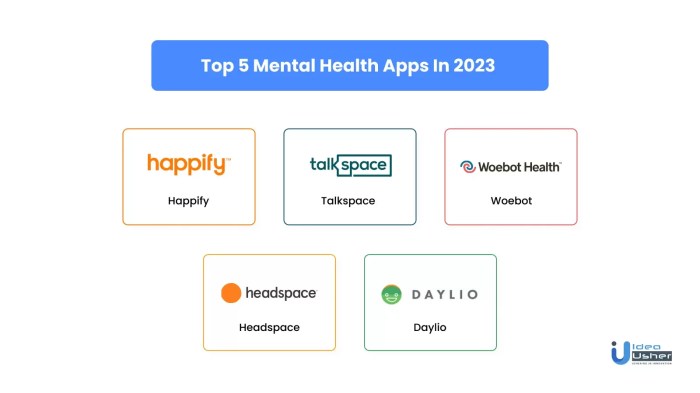
In 2025, there are several popular mental health apps that have gained recognition for their features and effectiveness in helping users manage their mental well-being.
1. Mindful Moments
- Mindful Moments is a meditation app that offers guided meditation sessions to help users reduce stress and anxiety.
- The app features a user-friendly interface with customizable meditation durations and a variety of calming background sounds.
- Users have praised Mindful Moments for its soothing voice guidance and relaxing meditation exercises.
2. Mood Tracker Pro
- Mood Tracker Pro allows users to track their moods daily and analyze patterns to better understand their emotional well-being.
- The app provides insightful data visualization tools to help users identify triggers and monitor their mental health progress.
- Many users have found Mood Tracker Pro to be a valuable tool for self-reflection and emotional awareness.
3. TalkSpace
- TalkSpace is a therapy app that connects users with licensed therapists for online counseling sessions.
- The app offers a secure platform for confidential communication with therapists and convenient scheduling options.
- Users have reported positive experiences with TalkSpace, citing the convenience of accessing therapy from the comfort of their own homes.
Emerging trends in mental health apps
In the ever-evolving landscape of mental health apps, several emerging trends are shaping the future of digital mental health solutions. Advancements in technology are paving the way for innovative approaches to mental wellness, offering users new ways to manage their mental health effectively.
AI Integration in Mental Health Apps
Artificial Intelligence (AI) integration in mental health apps is revolutionizing the way users access and receive mental health support. AI-powered chatbots and virtual therapists are becoming more common, providing personalized and immediate responses to users' mental health concerns.
Virtual Reality Therapy in Mental Health Apps
Virtual Reality (VR) therapy is gaining popularity as a cutting-edge treatment method for various mental health conditions. By immersing users in interactive and immersive virtual environments, VR therapy offers a unique approach to managing anxiety, PTSD, phobias, and other mental health challenges.
Personalized Mental Health Solutions
The demand for personalized mental health solutions is on the rise, leading to the development of apps that tailor interventions to individual needs and preferences. From mood tracking to personalized therapy recommendations, mental health apps are increasingly offering customized experiences to enhance user engagement and outcomes.
User experience and privacy considerations
User experience design plays a crucial role in the effectiveness of mental health apps. A well-designed app can enhance user engagement, motivation, and overall experience, leading to better outcomes for individuals seeking support for their mental well-being.
Importance of User Experience Design
User experience design focuses on creating intuitive interfaces, personalized experiences, and engaging features that cater to the specific needs of users. In the context of mental health apps, a user-friendly design can increase user retention, adherence to treatment plans, and overall satisfaction with the app.
By incorporating elements such as interactive tools, progress tracking, and personalized recommendations, mental health apps can create a supportive and empowering environment for users to manage their mental health effectively.
Measures for User Privacy and Data Security
Ensuring user privacy and data security is paramount in mental health apps to build trust and protect sensitive information. Apps should implement robust encryption protocols, secure data storage practices, and obtain explicit consent from users before collecting any personal data.
Transparent privacy policies, clear communication about data usage, and regular security audits are essential to maintain user trust and compliance with data protection regulations.
Ethical Implications of Data Collection and Analysis
The collection and analysis of user data in mental health apps raise ethical concerns regarding user consent, data ownership, and potential misuse of sensitive information. App developers must prioritize ethical practices, such as anonymizing data, obtaining informed consent, and using data for the sole purpose of improving the app's functionality and user experience.
Striking a balance between utilizing data insights for enhancing app effectiveness and protecting user privacy is crucial to uphold ethical standards in the mental health app industry.
Wrap-Up
In conclusion, the landscape of mental health apps is evolving rapidly, offering innovative ways to support individuals in their mental well-being journey. With a focus on user experience, privacy, and emerging trends, the future looks promising for those seeking accessible and effective mental health solutions.
User Queries
What sets apart a top mental health app from others?
A top mental health app usually combines user-friendly interface with evidence-based practices, providing personalized support and tracking tools for users.
Are mental health apps safe to use in terms of privacy and data security?
Most mental health apps prioritize user privacy by implementing encryption, secure data storage, and clear privacy policies. It's essential to choose apps from reputable developers to ensure data confidentiality.
How can mental health apps contribute to overall well-being?
By offering tools for stress management, mood tracking, meditation guidance, and therapy access, mental health apps empower users to take control of their mental health, leading to improved well-being and emotional resilience.